
What Blade to Use to Cut Metal: Practical Cutting Guide for 2026
Learn what blade to use to cut metal safely and cleanly in November 2026, matching tooth design, tool RPM, and metal thickness for precise cuts.
 By Thomas Gaige
Updated October 13, 2026
Cutting structural steel, thin sheet metal, or electrical conduit requires far more precision than slicing through soft framing lumber. Fitting a standard woodworking blade onto a power saw to cut ferrous stock will quickly destroy carbide teeth, overheat the motor arbor, and create severe kickback risks. Understanding What Blade To Use To Cut Metal ensures you select the correct cutting abrasive or cermet-tipped circular saw blade suited to your specific tool RPM and workpiece wall thickness. Pairing the proper abrasive cutoff wheel or high-density tooth geometry to the metal density keeps cuts square, extends tool life, and maintains critical workshop safety standards.
Different shop tools call for vastly distinct cutting physics, whether you are running a high-speed stationary cut-off chop saw, a portable direct-drive circular saw, or a reciprocating saw during rough demolition. While soft non-ferrous metals like copper and aluminum require specialized high-speed steel or triple-chip grind teeth, ferrous materials like angle iron and solid steel bar demand reinforced aluminum oxide resin wheels or dedicated cermet carbide tipped blades. Before tackling complex structural stock or reviewing our circular saw specialty cutting techniques, identifying the exact material hardness and cutting speed will help you achieve clean, burr-free cuts without damaging your saw.
| Award | Product | TGH Score About TGH ScoreThe TGH Score is our own rating from 0 to 10, based on performance, design and build, ease of use, and value. It reflects independent research and is never influenced by manufacturers, retailers, or affiliate commissions. Learn more › | |
|---|---|---|---|
| Best Overall |
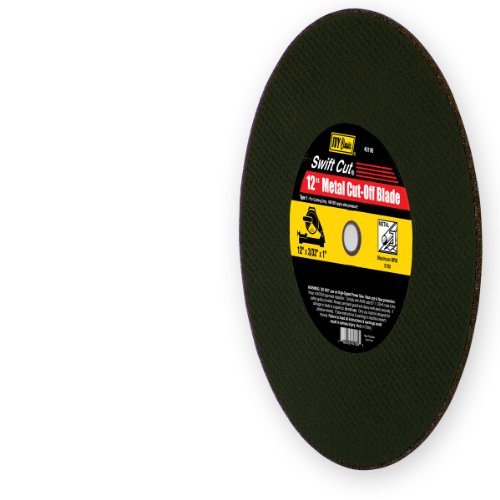
IVY Classic 40106 12-Inch Metal Cut-Off Blade
|
9.2/10 | Buy |
| Best Budget |
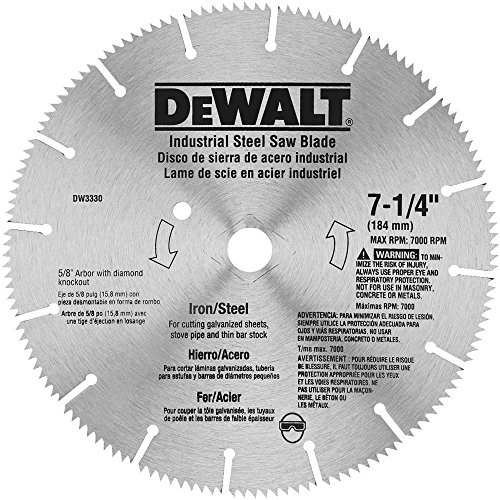 DEWALT 7-1/4-Inch 16-Tooth Metal Cutting Circular |
9.1/10 | Buy |
 DEWALT DW8001 14-Inch Metal Cut-Off Wheel |
8.9/10 | Buy | |
| Best Value |
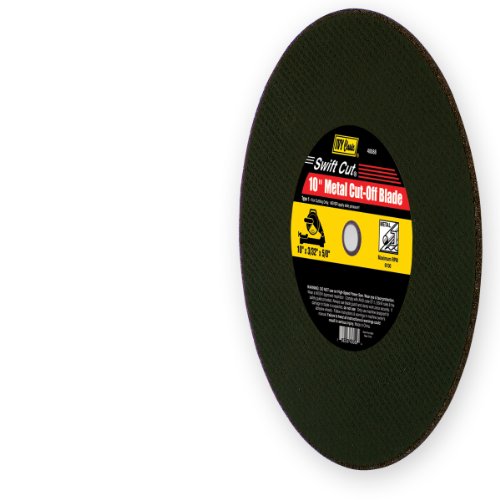 IVY Classic 40088 10-Inch Metal Cut-Off Blade |
8.3/10 | Buy |
 HORUSDY 9-Inch 14 TPI Bi-Metal Reciprocating Saw |
8.1/10 | Buy | |
| Best Premium |
 FOXBC 7-1/4-Inch 48-Tooth Cermet Carbide Metal |
8.0/10 | Buy |
 Auxiren 11-Piece Mini Circular Saw Blade Set |
7.8/10 | Buy |
IVY Classic 40106 12-Inch Metal Cut-Off Blade
Built for chop saws, this 12-inch abrasive cut-off disc slices through steel, sheet metal, and angle iron. Its double fiberglass reinforcement and metal-reinforced arbor deliver the durability needed for tough ferrous metal cutting.
Pros
- Double fiberglass mesh reinforcement enhances safety
- Metal-reinforced arbor resists heavy rotational wear
- Aluminum-oxide grain enables fast cutting speed
- Tackles tough angle iron and sheet metal
Cons
- Not compatible with high-speed saws
- Restricted to cutting tasks and cannot grind
- Intended solely for ferrous metals
DEWALT 7-1/4-Inch 16-Tooth Metal Cutting Circular
The DEWALT DW3330 is a 7-1/4-inch, 16-tooth circular saw blade designed for cutting steel and iron stock with standard circular saws. It provides a cost-effective, straightforward solution for contractors, plumbers, and DIYers handling rough metal cuts and demolition tasks.
Pros
- Cost-effective cutting solution for rough ferrous metal and iron applications
- Standard 7-1/4-inch sizing fits standard direct-drive and worm-drive circular saws
- Aggressive 16-tooth layout clears chips quickly during rough demolition cuts
- Lightweight construction reduces drag on saw motors during spin-up
Cons
- Low tooth count produces coarse cut edges that will require deburring for finished metalwork
- Generates substantial heat and friction during ferrous cutting, requiring steady feed control
- Not intended for non-ferrous metals, delicate sheet trim, or woodworking tasks
DEWALT DW8001 14-Inch Metal Cut-Off Wheel
The DEWALT DW8001 is a 14-inch abrasive cut-off wheel engineered with a high concentration of aluminum oxide grain for fast, aggressive cutting through rebar, structural steel, and pipe. It offers dependable durability and smooth running performance for contractors, fabricators, and DIYers using 14-inch metal chop saws.
Pros
- High-concentration aluminum oxide grain formulation provides rapid, aggressive material removal in tough metals
- Proprietary bonding mix helps maintain structural integrity and reduces premature wheel wear under heat
- Thin 0.1-inch wheel profile reduces tool load and cuts with minimal feed resistance
- Balanced 1.2-pound design runs smoothly on compatible chop saws with low rotational chatter
Cons
- Bonded abrasive wheels naturally reduce in diameter with use, gradually decreasing maximum cut depth
- Produces heavy spark streams, smoke, and abrasive dust that require proper safety gear and ventilation
- Designed strictly for metal cutting and cannot be used for wood, plastics, or masonry materials
IVY Classic 40088 10-Inch Metal Cut-Off Blade
Built for chop saws tackling steel, angle iron, and sheet metal, this abrasive wheel emphasizes user safety with double fiberglass reinforcement and a metal-reinforced arbor. Its resin-bonded aluminum-oxide abrasive grain provides clean, rapid cuts across various ferrous metals.
Pros
- Double fiberglass mesh enhances blade strength and safety
- Metal-reinforced arbor prevents wear during heavy operation
- Aluminum-oxide abrasive provides efficient cutting speed
- Specialized formulation for diverse ferrous metal materials
Cons
- Not compatible with high-speed saws
- Type 1 design restricted strictly to cutting tasks
- Limited to ferrous metal cutting applications
HORUSDY 9-Inch 14 TPI Bi-Metal Reciprocating Saw
The HORUSDY 6-piece 9-inch 14 TPI bi-metal reciprocating saw blade set provides reliable tooth toughness and a universal 1/2-inch shank designed for cutting steel pipe, rebar, and sheet metal. It offers practical value for plumbers, remodelers, and DIYers tackling medium-gauge metal demolition.
Pros
- Standard 1/2-inch universal tang locks securely into quick-release reciprocating saw chucks without extra adapters
- Bi-metal tooth edge holds up well against thermal friction when cutting dense ferrous metals like rebar
- Extended 9-inch blade reach clears larger pipe diameters and reaches into tight wall cavities
- Durable protective case keeps spare blades organized and prevents sharp teeth from damaging gear bags
Cons
- The 14 TPI tooth spacing is too coarse for ultra-thin sheet metal and too fine for fast wood framing cuts
- Long 9-inch profile can flex more easily than shorter 6-inch blades if the saw shoe is not held tight against the workpiece
- Intended strictly for metal cutting and will quickly pack with sawdust if run through clean lumber
FOXBC 7-1/4-Inch 48-Tooth Cermet Carbide Metal
The FOXBC 7-1/4-inch 48-tooth cermet carbide circular saw blade delivers clean, cool cuts through steel studs, angle iron, and conduit with minimal burrs. It offers a practical, high-value alternative to abrasive wheels for electricians, plumbers, and metal framing contractors.
Pros
- Substantially cooler cutting with less workpiece discoloration compared to abrasive cutoff wheels.
- Laser-cut stabilizer vents suppress vibration and maintain cut stability.
- Standard 5/8-inch arbor includes a diamond knockout for worm-drive saw compatibility.
- Thin .075-inch kerf reduces motor drag and extends cordless battery runtime.
Cons
- Strictly rated up to 5,800 RPM, making it incompatible with high-speed cut-off machines or chop saws.
- Cutting metals outside the specified thickness limits can lead to tooth chipping.
- Throws sharp metal chips during use, requiring full eye and face protection.
Auxiren 11-Piece Mini Circular Saw Blade Set
This 11-piece Auxiren mini circular saw blade set equips rotary tools and drills with high-speed steel cutting discs from 22mm to 50mm. It provides a compact, budget-friendly solution for craft woodworking, plastic trimming, and inside PVC pipe cutting.
Pros
- Multiple shank configurations fit standard 1/8-inch rotary collets, 1/4-inch drill chucks, and quick-change hex drivers
- Six disc sizes from 22mm to 50mm offer flexible cutting diameters for miniature model work or plumbing modifications
- High-speed steel teeth maintain edge integrity when cutting soft woods, plastic sheet, and thin aluminum
- Serves as an affordable internal pipe cutter for tricky recessed PVC cuts where reciprocating saw blades cannot reach
Cons
- Not rated for ferrous metals, structural steel, or hardened screws, which will quickly dull or damage the teeth
- Maximum speed is capped at 20,000 RPM, requiring careful dial regulation on high-speed rotary tools capable of 30,000+ RPM
- Cutting depth is physically limited by the small disc radius and the center arbor retaining screw
Matching Blades to Metal Types and Cutting Tools
Selecting the right blade to cut metal depends strictly on the metal composition, the stock thickness, and the rated operating speed of your power tool. Ferrous metals like angle iron and steel pipe require either bonded aluminum oxide abrasive cutoff wheels or cermet carbide tipped circular saw blades engineered for lower rotational speeds. Soft non-ferrous metals like copper tubing and sheet aluminum demand specialized high-speed steel or triple-chip grind teeth that slice cleanly without melting or loading the blade gullets. Demolition tasks and rough pipe cuts are best handled with bi-metal reciprocating saw blades featuring 14 to 18 teeth per inch. Using an ordinary woodworking blade on any metal stock poses severe safety hazards, ruins the saw motor, and dulls carbide tips almost instantly.
Abrasive Cut-Off Wheels vs Cermet Carbide Tipped Blades
Abrasive cutoff wheels remain the standard choice for slicing tough ferrous metals on stationary chop saws and portable cutoff machines. These wheels utilize resin-bonded aluminum oxide grains reinforced with dual layers of fiberglass mesh to grind through structural steel, rebar, and heavy iron channel. As the wheel cuts, the outer abrasive layer gradually sheds away, continuously exposing fresh cutting edges to the workpiece. This sacrificial wear pattern allows cutoff wheels to slice through hardened steel without stripping teeth, though it generates intense heat, heavy sparks, and noticeable wheel diameter reduction over time.
Cermet carbide tipped circular saw blades represent modern cold-cutting technology designed for clean, precise metal fabrication. Cermet combines ceramic and metallic compounds into ultra-hard teeth brazed onto an alloy steel body, allowing the blade to shear metal chips cleanly rather than abrading the stock away. These blades produce minimal sparks, eliminate the noxious odor associated with resin-bonded wheels, and leave an edge that is cool enough to handle immediately after the cut. While abrasive wheels excel at rough structural cuts, cermet blades maintain a constant cutting depth and deliver square, ready-to-weld finishes on sheet goods, square tubing, and electrical conduit.
Ferrous vs Non-Ferrous Metal Cutting Requirements
Ferrous metals contain iron and possess high tensile strength, creating substantial friction and thermal buildup whenever a cutting edge enters the cut line. Common examples include structural steel channel, angle iron, black iron gas pipe, threaded all-thread rod, and steel metal studs. These materials require durable aluminum oxide grain matrices or specialized ferrous-grade cermet carbide teeth capable of handling extreme shock loads without chipping. Attempting to cut dense ferrous stock with soft tool steel or standard woodworking carbide grinds will instantly destroy the tooth edges and can violently bind the saw motor.
Non-ferrous metals like aluminum, copper, brass, and bronze lack iron and behave very differently under a spinning saw blade. Because these alloys are softer and have lower melting points, they tend to smear and load up between blade teeth, clogging the gullets and inducing severe friction heat. Cutting non-ferrous stock requires blades with positive chip clearance, such as high-speed steel discs or carbide blades featuring a triple-chip grind profile where a trapeze tooth alternates with a flat raker tooth. Small hobby rotary tools can also slice non-ferrous metals like copper crafts and thin tubing when fitted with compact high-speed steel cutting wheels, provided they are kept away from hard ferrous steel.
Circular Saw Blades for Jobsite Metal Fabrication
Using a standard 7-1/4 inch circular saw for metal cutting brings immense versatility to residential jobsites and metal fabrication shops. Blades engineered for circular saws, such as 48-tooth cermet blades or dedicated 16-tooth steel cutting discs, allow carpenters and metalworkers to slice steel studs, EMT conduit, and corrugated roof panels with handheld mobility. These blades feature a thin kerf, often around .075 inch, which reduces the volume of material removed and lowers the mechanical resistance transferred back to the saw motor. Thin-kerf profiles are especially advantageous on modern cordless saws, where reducing motor drag preserves battery runtime and prevents sudden thermal shutdown under heavy loads.
Arbor sizing and rotational speed ratings require strict attention before mounting any metal-cutting blade onto a handheld circular saw. Most 7-1/4 inch saws utilize a standard 5/8-inch round arbor, while high-torque worm-drive saws require a diamond knockout in the center plate to mate with the drive spindle. Metal-cutting circular saw blades frequently incorporate a diamond knockout design that can be tapped out when mounting the blade onto worm-drive or hypoid gear saws. Furthermore, dedicated metal-cutting circular saw blades carry maximum speed ratings, typically around 5,800 RPM, which must match or exceed your saw no-load spindle speed to ensure safe, stable operation.
Chop Saw Cut-Off Wheels for Heavy Structural Steel
Stationary cut-off chop saws serve as the primary workhorses of metal shops, providing high-leverage plunge cuts through thick angle iron, solid bar stock, and heavy steel tubing. These machines rely on large abrasive wheels ranging from 10-inch to 14-inch diameters, engineered specifically to handle continuous heavy-duty grinding duty cycles. High grain concentrations of aluminum oxide embedded in the wheel surface provide aggressive stock removal while maintaining smooth, balanced wheel rotation under heavy down-force pressure. The open wheel perimeter evacuates metal swarf effectively, preventing the wheel from glazing over during prolonged crosscuts through solid steel stock.
Diameter and arbor specifications must be precisely matched to your specific chop saw model to ensure safe mechanical operation and full cut capacity. For example, a 10-inch chop saw blade typically features a 5/8-inch arbor hole and a maximum rotational speed rating of 6,100 RPM, while a 12-inch blade often requires a 1-inch arbor hole rated for 5,100 RPM. Larger 14-inch chop saw wheels provide the cutting depth needed to part wide steel box tubing in a single plunge pass, but they operate at lower rotational speeds to maintain rim integrity. Built-in double fiberglass mesh reinforcement protects these large wheels from shattering if the stock shifts slightly during heavy downward cutting pressure.
Reciprocating Saw Blades for Demolition and Pipe Fitting
When metal stock is installed in tight, awkward locations or requires rough demolition cutting, reciprocating saws deliver unmatched versatility. Unlike circular or chop saw blades that require clear linear access, reciprocating blades plunge into cramped wall cavities, slice rusty plumbing lines flush with framing, and sever stuck structural fasteners. A high-grade 9-inch bi-metal reciprocating blade provides the extended reach and flex resistance needed to cut through wide steel drainage pipes, cast iron soil lines, and thick structural rebar. Bi-metal construction pairs a flexible spring-steel backing with a tough, electron-beam-welded high-speed steel cutting edge, producing teeth that resist premature dulling while the blade flexes under severe bending forces.
Tooth density, measured in teeth per inch (TPI), plays a defining role in determining cut speed and edge smoothness when using a reciprocating saw on metal. A 14 TPI blade strikes an optimal balance for medium-to-thick ferrous metals, such as steel conduit, structural angle iron, and thick-wall mechanical piping. As a universal rule of metal cutting mechanics, at least three blade teeth must be in continuous contact with the material wall thickness at all times during the stroke. If tooth spacing is too coarse, individual teeth will catch on thin tube edges and strip off; if the tooth pitch is too fine, cutting speed slows to a crawl and excessive friction heat builds up along the kerf.
Pairing the right blade with your saw motor configuration also dictates cutting control and overall blade life. If you are operating a heavy-duty 15-amp reciprocating saw, the sustained high-amperage motor draw delivers relentless cutting force through thick structural steel beams without bogging down. Conversely, when maneuvering inside finished cabinetry or working overhead on electrical conduit, a brushless compact reciprocating saw offers lightweight agility while still delivering dependable stroke speed when fitted with sharp bi-metal blades. Regardless of tool size, maintaining firm contact between the saw shoe and the metal workpiece prevents violent vibration, stabilizes the cut, and keeps blade teeth tracking squarely along your layout mark.
Matching Tooth Count and Kerf to Workpiece Thickness
Workpiece wall thickness directly dictates the ideal tooth count, tooth grind geometry, and blade thickness for any metal cutting operation. When slicing thin sheet metal, light-gauge steel studs, or thin-wall EMT conduit, a high tooth count circular saw blade featuring 48 cermet teeth prevents the material from snagging or deforming. Fine tooth spacing distributes the cutting pressure across multiple contact points, yielding smooth, burr-free edges that do not require tedious deburring before assembly. Conversely, attempting to cut thin sheet metal with coarse teeth causes violent grabbing, distorted sheet edges, and chipped carbide tips.
Thicker structural metals, such as 1/2-inch steel plate, heavy rebar, and thick-wall solid bar, require blades designed to handle substantial chip loads and high friction. For circular saws, specialized 16-tooth or coarse-tooth steel-cutting blades feature deep gullets that clear metallic chips rapidly, preventing heat buildup from packing the cut line. On chop saws, standard 3/32-inch thick abrasive wheels provide the structural rigidity necessary to prevent blade wandering when plunging into solid bar stock. In addition, keeping kerf width narrow on circular blades reduces the power draw demanded from the saw motor, allowing jobsite saws to maintain continuous blade speed without stalling midway through dense steel.
Critical Safety Protocols and Tool Operating RPM Limits
Operating metal cutting blades safely requires strict compliance with manufacturer speed limits and tool compatibility parameters. Every abrasive wheel and cermet saw blade carries a maximum rated RPM clearly stamped onto its faceplate, and this number must never be exceeded by the operating tool spindle speed. For instance, mounting a 12-inch chop saw blade rated for 5,100 RPM onto an angle grinder or high-speed cutoff saw spinning at 10,000 RPM creates catastrophic centrifugal stress that can cause the wheel to explode into hazardous shrapnel. Always cross-reference the no-load RPM listed on your power tool nameplate with the maximum RPM stamped on the blade before tightening the arbor bolt.
Workpiece security and personal protective gear represent equally critical safety requirements during any metal cutting procedure. Metal workpieces must always be clamped firmly to the saw table, chop saw vise, or a sturdy workbench before initiating the cut, as unclamped stock can catch on a spinning tooth and cause violent kickback. Operators must wear ANSI-approved eye protection, full-face shields, heavy leather work gloves, and robust hearing protection during every cutting sequence. When using abrasive cutoff wheels on steel, hot sparks can ignite nearby workshop debris, making a cleared cutting zone and a nearby fire extinguisher essential precautions.
Practical Setup and Blade Maintenance Routine
Establishing a dependable pre-cut inspection routine ensures optimal blade longevity and prevents unexpected tool failure during fabrication projects. Before installing any blade, always disconnect the saw from its electrical outlet or remove the cordless battery pack to isolate the power source completely. Inspect the saw arbor, inner flange, and outer clamping washer for metal burrs, rust buildup, or residual pitch that could cause uneven blade seating. Wipe the arbor threads clean and tighten the retaining bolt securely using the manufacturer arbor wrench, avoiding excessive torque that could crack thin blade plates or distort arbor bearings.
Matching the blade type to your specific material, tool design, and cut tolerance remains the ultimate secret to successful metal fabrication. Whether you choose heavy-duty aluminum oxide cutoff wheels for structural chop saw demolition, cermet carbide tipped blades for cold, precise circular saw fabrication, or bi-metal reciprocating blades for rough plumbing cuts, the proper consumable ensures safe, repeatable performance. Routine visual inspection of carbide teeth for micro-chipping and storing abrasive wheels flat in dry environments prevents premature degradation. Taking the time to align your tool speed, clamp your workpiece securely, and verify tooth compatibility protects your workshop equipment and produces clean, professional metal cuts every time.
About the author

Thomas Gaige combines mechanical engineering knowledge with extensive hands-on construction experience. His background includes engineering, AutoCAD design, general contracting, residential and light-commercial construction, automotive restoration, cabinetry, fabrication, and workshop projects. This combination gives him a practical framework for evaluating tools based on engineering, performance, usability, and jobsite demands.