
How to Use a Trench Shovel: Step-by-Step Guide for 2026
Master how to use a trench shovel to dig clean, narrow drainage lines and utility trenches with proper ergonomic posture and leverage in November 2026.
 By Kenny Koehler
Updated November 5, 2026

Carving a narrow, flat-bottomed channel through compacted ground presents unique mechanical hurdles that standard garden spades and wide-mouth transfer shovels cannot handle effectively. Wide blades displace excessive turf, create ragged ditch walls, and leave loose crumbs along the bottom that disrupt pipe slopes and cable runs. Understanding how to use a trench shovel allows homeowners and landscapers to open tight conduits with minimal surface damage while maintaining clean excavation profiles. Before breaking ground, distinguishing a spade from a standard digging shovel clarifies why narrow trenching tools deliver superior point-loaded ground penetration in dense soil. This specialized geometry concentrates downward foot pressure directly over a compact four-to-six-inch blade to fracture hardpan without requiring massive physical effort.
Trenching demands distinct body mechanics, because working inside a narrow ditch limits blade swing and increases strain on your lower back. Using the proper technique prevents premature exhaustion, eliminates ruined ditch walls, and protects against common structural tool failures such as sheared sockets or snapped handles. The right combination of forward-turned foot steps, balanced leverage, and systematic soil evacuation ensures smooth progress across irrigation, landscape lighting, and drainage installations. Applying disciplined form keeps the trench floor uniform and prevents loose backfill from rolling backward into freshly cleared sections.
| Award | Product | TGH Score About TGH ScoreThe TGH Score is our own rating from 0 to 10, based on performance, design and build, ease of use, and value. It reflects independent research and is never influenced by manufacturers, retailers, or affiliate commissions. Learn more › | |
|---|---|---|---|
| Best Overall |
LLARGUEST 70-Inch Trenching Shovel with V-Shaped
|
9.1/10 | Buy |
| Best Budget |
 FreshFarm 43.7-Inch Small Spade Trench Shovel |
8.9/10 | Buy |
 Xinmeto 45-Inch Trench and Drain Spade |
8.9/10 | Buy | |
| Best Value |
 Nohovu 4-Inch Trench Shovel with 56-Inch |
8.8/10 | Buy |
| Best Premium |
 WIKER 4-Inch Trench Shovel with 56-Inch Fiberglass |
8.6/10 | Buy |
 VNIMTI 56-Inch Trench Shovel with 4-Inch V-Shaped |
8.4/10 | Buy | |
 VNIMTI 58-Inch Trenching Shovel with 4-Inch |
8.1/10 | Buy | |
 Dikuyeel 45-Inch D-Handle Spade Shovel |
7.8/10 | Buy | |
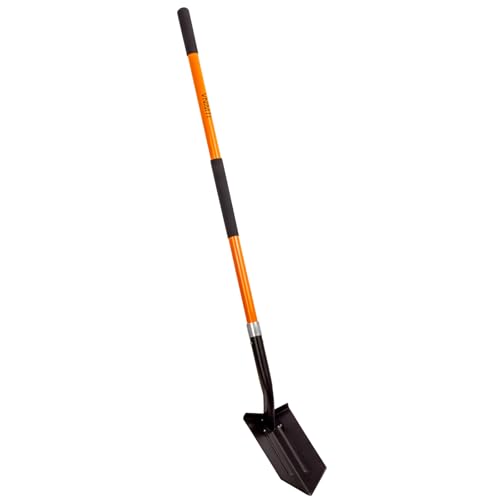 VNIMTI 58-Inch Heavy Duty Trenching Shovel |
7.8/10 | Buy |
LLARGUEST 70-Inch Trenching Shovel with V-Shaped
The LLARGUEST 70-Inch Trench Shovel features a narrow 4-inch V-shaped metal blade and a sectional snap-lock handle built for clean trenching and shallow utility lines. It offers an extended-reach, lightweight option for homeowners and gardeners carving drainage ditches, laying pipe, and transplanting.
Pros
- Narrow V-shaped blade profile digs precise trenches without over-excavating surrounding soil
- Extended 70-inch total length provides reach and upright working posture for ditch clean-out
- Modular snap-lock pole breaks down into compact segments for storage and vehicle transport
- Extremely lightweight build at approximately 1 pound reduces handling fatigue during repetitive use
Cons
- Sectional snap-button pole connections lack the extreme leverage resistance of a one-piece solid-shank contractor shovel
- Narrow 4-inch blade width is unsuited for moving loose bulk materials like gravel, mulch, or snow
- Assembly requires snapping modular sections together and trimming the internal guide cord
FreshFarm 43.7-Inch Small Spade Trench Shovel
The FreshFarm 43.7-inch small spade trench shovel features a durable steel handle and lightweight 2.58-pound build, delivering nimble maneuverability for tight garden spaces, shallow trenching, and camp chores. It is an ideal pick for residential gardeners, weekend campers, and drivers seeking a compact, reliable digging tool.
Pros
- Compact 43.7-inch profile offers great maneuverability in confined garden beds and tight landscaping areas.
- At roughly 2.58 pounds, the tool is easy to carry on camping trips or store in a vehicle trunk.
- Heavy-duty steel handle provides dependable structural rigidity for everyday yard work.
- Sharp spade blade design helps pierce garden soil and slice through sod efficiently.
Cons
- The shorter 43.7-inch shaft requires taller users to stoop more during extended upright digging.
- Compact spade blade is sized for precision digging rather than moving massive volumes of bulk soil or gravel.
- Not designed for heavy-duty prying against large tree stumps or immovable boulders.
Xinmeto 45-Inch Trench and Drain Spade
Equipped with a slim profile and a wide corrugated step, this 3-pound spade cuts through clay and roots with concentrated leverage. It is a practical tool for gardeners digging narrow trenches or transplanting perennials in tight garden beds.
Pros
- Weighs only 3 pounds for fatigue-free digging
- Narrow blade cuts cleanly through clay and dense roots
- Wide non-slip foot pedal provides secure foot placement
- Durable high-carbon steel head resists bending
Cons
- Narrow blade is inefficient for moving bulk soil
- 45-inch total length may cause taller users to bend
- Wood handle needs maintenance to prevent weather damage
Nohovu 4-Inch Trench Shovel with 56-Inch
The Nohovu 4-Inch Trench Shovel combines a narrow V-shaped steel blade with a 56-inch fiberglass shaft for efficient trench clean-out in tight spaces. Weighing just 3.9 pounds, it reduces bending strain for residential gardeners, irrigation DIYers, and landscape crews.
Pros
- Narrow 4-inch blade profile accesses tight spaces where standard round-point shovels cannot fit
- V-shaped dished geometry holds loose soil and clods effectively during trench clean-out
- Long 56-inch fiberglass shaft delivers solid leverage while keeping total weight under 4 pounds
- Non-slip rubber end grip provides dependable hand purchase when working through damp ground
Cons
- Narrow 4-inch blade width is highly specialized and not practical for moving bulk mulch, gravel, or topsoil
- Long straight shaft lacks a D-grip handle, which some users prefer for close-quarters vertical lifting
- Not engineered to serve as a primary prying bar against thick taproots or embedded boulders
WIKER 4-Inch Trench Shovel with 56-Inch Fiberglass
Equipped with a narrow 4-inch V-shaped carbon steel blade and an extended 56-inch fiberglass handle, this trenching spade cuts clean, uniform channels for irrigation pipes and landscape wiring with minimal turf disruption. It is a practical, durable choice for homeowners, gardeners, and DIY landscapers needing precise trenching without tearing up the entire yard.
Pros
- Narrow 4-inch blade width minimizes lawn disruption when burying wires or irrigation tubing
- Long 56-inch fiberglass handle offers good leverage while resisting weather damage and splintering
- Textured rubber grip helps prevent slipping during wet or muddy yard projects
- V-shaped carbon steel blade concentrates downward driving force to slice through compacted clay and small roots
Cons
- Narrow profile holds very little material, making it impractical for scooping loose dirt, gravel, or mulch
- Straight-shaft configuration lacks a D-grip, which some users prefer for close-quarters wrist control in deep trenches
- Not built to function as a primary pry bar against heavy boulders or thick tree stumps
VNIMTI 56-Inch Trench Shovel with 4-Inch V-Shaped
The VNIMTI 56-inch trenching shovel features a narrow 4-inch V-shaped steel blade and a lightweight fiberglass handle designed for clean ditch digging and irrigation trenching. It is an excellent choice for homeowners and gardeners seeking precision excavation with reduced bending strain.
Pros
- Narrow 4-inch V-shaped profile cuts precise, narrow trenches without displacing excess surrounding dirt
- Weighs only 3.48 pounds, making it comfortable to carry and handle for extended excavation sessions
- Long 56-inch shaft helps users maintain a more upright posture, reducing bending stress on the lower back
- Top non-slip grip area becomes sticky when wet, improving hold during damp gardening conditions
Cons
- Narrow blade face is not designed for scooping bulk materials like loose soil, gravel, or mulch
- Straight handle configuration lacks a D-grip, which some users prefer for twisting control in deep trenches
- Not intended for heavy-duty prying against large boulders or mature, established tree root systems
VNIMTI 58-Inch Trenching Shovel with 4-Inch
The VNIMTI 58-inch trenching shovel combines a narrow 4-inch high-carbon steel head with an internally reinforced fiberglass handle for precise soil removal in confined ditches. It is an ideal manual excavation tool for homeowners and landscapers laying irrigation tubing, drainage lines, or low-voltage lighting cable.
Pros
- Narrow 4-inch blade width fits cleanly into tight trenches without displacing excess surrounding turf or backfill
- Reinforced fiberglass shaft offers high structural strength without the splintering or rotting risks of plain wood
- Extended 58-inch profile allows taller users to work with reduced forward bending while cleaning trench bottoms
- Dual non-slip grips offer solid purchase when working with sweaty hands or damp work gloves
Cons
- Narrow 4-inch blade face is inefficient for scooping wide volumes of bulk gravel, mulch, or loose topsoil
- Not engineered to function as a heavy demolition bar for prying out large boulders or thick tree stumps
- Long 58-inch straight shaft can be awkward to store in compact vehicle trunks or short utility boxes
Dikuyeel 45-Inch D-Handle Spade Shovel
Built for trenching and transplanting in tough soil, this 45-inch spade pairs a carbon steel head with a polished wood shaft. A dual-riveted metal D-grip and wide foot treads provide solid leverage for everyday yard work.
Pros
- Carbon steel head penetrates packed soil efficiently
- Dual-rivet metal D-handle adds steering stability
- Wide treads allow comfortable foot pressure
- Protective coating shields metal from wet soil rust
- Polished wood shaft prevents rough hand friction
Cons
- 45-inch overall length may be short for tall gardeners
- Wood shaft requires more upkeep than fiberglass
- Narrow blade moves less bulk material per scoop
VNIMTI 58-Inch Heavy Duty Trenching Shovel
The VNIMTI 58-Inch Trench Shovel features an angled 6-inch V-shaped high-carbon steel head paired with an internal core reinforced fiberglass shaft. Designed for narrow trench excavation, irrigation work, and clean garden bed edging, it delivers dependable leverage and soil penetration for homeowners and landscapers.
Pros
- Sharp V-shaped high-carbon steel blade penetrates soil smoothly to form clean trench lines
- Extended 58-inch length provides leverage while helping reduce lower back bending
- Reinforced fiberglass handle with an internal core resists moisture rot and splintering
- Two integrated non-slip grips improve hand control and stability during heavy excavation
- Compact 6-inch blade width works well in tight, restricted landscape beds and utility runs
Cons
- Narrow 6-inch profile is not suited for high-volume bulk transfer of mulch, gravel, or topsoil
- A total tool weight of 4.6 pounds can feel heavy during extended overhead lifting or long carries
- Not intended to serve as a primary demolition pry bar for mature tree stumps or large boulders
Complete Technical Guide to Trench Shovel Operation and Mechanics
Operating a trench shovel requires a fundamentally different technique than using a general-purpose round-point digging shovel. Trench shovels feature narrow blades, typically measuring between four and six inches wide, designed specifically to cut crisp channel boundaries and remove spoil from narrow ditches. Attempting to use a trenching tool like a conventional shovel leads to premature fatigue, uneven trench floors, and damaged handles. Executing the correct physical motions ensures that pipes, cables, and drainage conduits lay properly on a solid, undisturbed base.
Understanding Trench Shovel Anatomy and Blade Profiles
The narrow geometry of a trenching blade is engineered to concentrate digging force over a minimal surface area. Standard trench shovels feature a distinct V-shaped or U-shaped cross section that stiffens the blade and prevents loose dirt from spilling back into the ditch during lifting. When examining the structural components of digging spades and shovels, the relationship between blade lift angle and socket construction determines how efficiently the tool lifts spoil. High-carbon steel blades with rolled shoulders or forward-turned steps provide a secure platform for your work boots, allowing your body weight to drive the cutting tip through dense soil.
Blade width selection directly dictates the efficiency of your excavation project. A four-inch blade profile, such as those found on narrow ditching tools, matches standard low-voltage wiring, drip irrigation tubing, and flexible water lines with minimal earth displacement. Wider six-inch blades accommodate rigid PVC drainage lines, corrugated drain pipes, and larger electrical conduits that demand extra clearance. Selecting a blade wider than your project requires forces you to displace unnecessary cubic feet of soil, which multiplies fatigue. Conversely, using a blade narrower than your pipe makes proper bedding and leveling nearly impossible.
Site Preparation and Underground Utility Verification
Every trenching project must begin with an accurate survey of existing subterranean infrastructure before any metal penetrates the soil. Striking buried electrical lines, pressurized gas pipes, or fiber optic cables creates severe safety hazards and expensive repair bills. Homeowners and contractors in the United States must call 811 or contact their regional utility location service several days prior to digging. Once utility crews mark buried lines with paint or locator flags, you can safely establish your trench boundary. Maintaining at least eighteen to twenty-four inches of clearance from marked utility lines protects both the infrastructure and the operator.
Laying out the excavation line with precision prevents wandering trenches and crooked pipe installations. Stretch a tight mason line between two wooden stakes driven firmly into the lawn along the intended ditch trajectory. Alternatively, mark the path on turf using bright marking paint designed for landscaping layout. Use a flat border spade or half-moon edger to score the turf along both sides of your chalk or paint line before starting deeper excavation. Slicing through the sod layer beforehand prevents grass roots from tearing ragged chunks out of the lawn when the trench shovel bites into the earth.
Initial Penetration and Setting the Vertical Trench Walls
Setting clean, vertical trench walls requires entering the soil at a near-perpendicular angle rather than a shallow slope. Position the cutting edge of the trench shovel directly against the scored sod line with the face of the blade perpendicular to the trench floor. Place the ball of your foot firmly on the forward-turned step of the blade rather than the arch of your boot. Drive the blade downward using your leg muscles and downward body momentum rather than relying solely on upper-body thrust. A sharp high-carbon steel edge will slice cleanly through the thatch layer and upper root zone with minimal resistance.
Once the blade reaches full depth, rock the handle slightly backward and forward to fracture the soil plug away from the surrounding earth. Avoid violent lateral prying from side to side, because twisting forces can warp the narrow neck of the shovel blade. Work progressively down the layout line, cutting both parallel sidewalls before scooping out the center core. Establishing neat sidewalls early prevents soil from caving into the trench later in the project. This disciplined boundary cutting creates smooth, vertical earthen walls that support pipe bedding without excessive backfill slumping.
Soil Loosening and Downward Trench Excavation
Excavating dense subsoil requires segmenting the earth into manageable earthen blocks rather than trying to heave huge clods all at once. Step backward along the trench path as you dig so you are always working toward the open excavation rather than against an intact earth face. Drive the blade downward six to eight inches behind the previous cut to isolate a compact block of soil. Pull the handle gently toward your torso to shear the bottom of the earthen block from the subsoil bed. This shearing motion takes advantage of the natural fracture planes in compacted soil and requires far less physical exertion.
Lift the loosened soil block smoothly out of the trench and deposit it neatly to one designated side of your excavation. Piling spoil at least eight to twelve inches away from the trench lip prevents excavated dirt from crumbling back into your workspace. In deep trenches, alternating your spoil piles or placing a tarp along the edge speeds up eventual backfilling and protects adjacent grass. Keep your digging depth consistent by checking progress frequently with a marked wooden measuring lath. Establishing the full depth incrementally in shallow passes produces a much cleaner channel than digging directly to final depth in a single spot.
Clean-Out Techniques and Floor Grading for Conduits
Removing loose soil crumbs from the bottom of the trench is critical for establishing a stable bed for pipes and conduits. Loose dirt left under rigid piping settles unevenly over time, creating stress points that can crack joints or cause drainage pipes to lose their intended slope. Switch your motion from a vertical chopping action to a horizontal scraping and dragging pass along the trench floor. Position the trench shovel blade flat against the bottom of the ditch at a low angle to gather crumbly soil into the blade dish. Long fiberglass handles provide the reach needed to scrape several feet of trench floor without requiring you to step into the ditch.
Maintaining a uniform pitch is essential when trenching for French drains, sump pump discharges, or gravity-fed drainage lines. Standard drainage applications generally require a downward slope of at least one-eighth to one-quarter inch per linear foot of trench. Check the floor grade continuously using a long carpenter level or a line level suspended between your reference stakes. High spots along the trench floor can be trimmed down by shaving thin layers with the sharp tip of your trench shovel. Never fill low spots with loose, uncompacted dirt; always trim high spots down to maintain a firm, undisturbed earth floor.
Navigating Stubborn Tree Roots and Rocky Substrates
Encountering mature roots and buried stones is inevitable when digging outdoors, but handling them improperly can destroy your shovel. When the narrow blade strikes a woody root, align the center of the V-shaped tip directly over the obstruction to concentrate cutting pressure. Stamping down firmly with your heel can sever roots up to one inch in diameter if the blade maintains a sharp cutting bevel. For thicker woody roots, uncover the root completely with the shovel before cutting it cleanly with loppers or a pruning saw. Forcing a trench shovel to chop through heavy three-inch roots will dull the steel lip and strain the blade collar.
Buried rocks require careful excavation around their perimeter rather than aggressive prying with the shovel handle. When encountering heavy stones, preventing broken shovel handles during heavy prying requires recognizing the structural limits of manual garden tools. Clearing dirt from around the rock allows you to lift it out cleanly without using the shovel handle as an unyielding lever. If a boulder resists light prying, switch to a dedicated steel spud bar or mattock to dislodge the obstacle. Preserving your trench shovel for cutting and scooping extends the working life of the tool significantly.
Biomechanics and Lower Back Fatigue Prevention
Trenching places repetitive, asymmetric loads on your lumbar spine if you rely on improper bending mechanics. Never bend purely from your lower back when driving the shovel downward or lifting spoil out of the ditch. Instead, initiate every downward drive and lifting action from your hips and knees by maintaining a solid athletic stance. Keep your feet spread roughly shoulder-width apart with one foot slightly forward to stabilize your balance along the trench edge. Bending your knees allows your powerful quadriceps and glutes to absorb the shock of driving the blade into compacted ground.
Hand placement on the shovel shaft governs your mechanical leverage and rotational spinal strain during spoil transfer. Position your dominant hand low on the handle, near the socket or mid-shaft grip, to act as the primary lifting fulcrum. Your upper hand guides the tool and controls dumping angle without bearing the brunt of the vertical load. Keep the loaded shovel blade close to your center of gravity when swinging soil out of the trench, and pivot your entire body with your feet rather than twisting your lumbar spine. Taking short, structured rest breaks and alternating your lead digging foot helps balance muscle fatigue throughout long working sessions.
Blade Maintenance, Edge Profiling, and Storage Care
Routine maintenance preserves the cutting performance of high-carbon steel trenching blades and prevents premature wear. Slicing through abrasive sand, gravel, and compacted clay naturally rounds the factory cutting edge over time. Restore the cutting profile periodically using a ten-inch mill bastard file held at a thirty-five to forty-degree angle along the upper face of the blade. Always push the file forward across the metal in smooth, deliberate strokes, avoiding back-and-forth sawing that ruins file teeth. Never file the underside of the blade flat face; keep the bottom smooth and deburr any wire edge left by the sharpening process.
Proper post-job cleaning prevents corrosive moisture from degrading the blade steel and wooden or fiberglass handles. Hose off packed mud immediately after completing excavation, paying special attention to the hollow frog and socket collar where soil collects. Dry the metal thoroughly with a rag and wipe a light coat of multi-purpose machine oil or boiled linseed oil across the bare steel to inhibit rust. Store the trench shovel hanging vertically in a dry shed or garage away from prolonged exposure to ultraviolet sunlight. Shielding synthetic fiberglass handles from direct UV rays prevents resin breakdown, surface splintering, and loss of structural rigidity over years of reliable service.
Applying these disciplined operational techniques transforms trench excavation from a grueling chore into an efficient, controlled process. Matching your blade profile to pipe dimensions, cutting clean vertical sidewalls, and leveraging sound lifting biomechanics ensures professional-grade results on every outdoor installation. With consistent maintenance and proper respect for tool leverage limits, your trench shovel will remain a dependable cornerstone of your yard care equipment for countless upcoming projects.
About the author

Kenny Koehler is an experienced tool reviewer known for combining hands-on testing with a scientific, measurement-focused approach. With a background in biology and chemistry and more than a decade of tool evaluation experience, he has developed repeatable testing methods for comparing drilling speed, fastening performance, runtime, ergonomics, and other measurable characteristics.