
Best Silky Saw for Clearing Trails of 2026 Trail Picks
Clear blowdowns fast with the best silky saw for clearing trails in October 2026. Compare top pull-cut folding saws and fixed blades for packable trail work.
 By John Snow
Updated October 2, 2026
By John Snow
Updated October 2, 2026
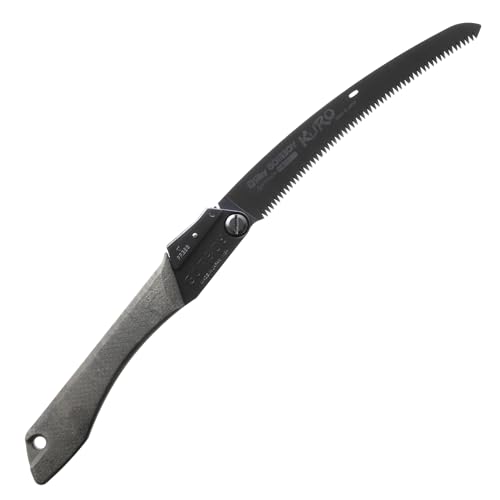
Dragging a binding push-saw blade through soaked deadfall turns a routine trail maintenance hike into an exhausting chore. Green timber and resin-heavy pine quickly pinch standard blades, causing wrist fatigue and bent steel miles from the trailhead. Selecting the best silky saw for clearing trails solves that problem by relying on Japanese pull-cut engineering, where tension keeps the blade straight during heavy feed pressure. High-carbon Japanese steel paired with impulse-hardened teeth cuts through green limbs on the pull stroke, requiring far less physical effort than traditional saws. While clearing thick path overgrowth feels different than trimming landscape shrubs with the best saw for hedges, having the right tooth geometry makes all the difference when tackling fallen logs.
Manufacturer specifications and field reports highlight that blade length and tooth profile dictate trail performance. A compact folding model like the Silky GomBoy slips inside a backpack side pocket, while larger options such as the Silky KATANABOY deliver serious two-handed leverage against massive blowdowns. Features like taper-ground plates reduce side friction without requiring traditional set teeth, which keeps the kerf clean and prevents blade binding in pinched wood. Whether you need a curved blade for aggressive overhead branch cuts or a long straight folding saw for downed trunks, picking the right cutting tool keeps trails passable without weighing down your gear.
| Award | Product | TGH Score About TGH ScoreThe TGH Score is our own rating from 0 to 10, based on performance, design and build, ease of use, and value. It reflects independent research and is never influenced by manufacturers, retailers, or affiliate commissions. Learn more › | |
|---|---|---|---|
| Best Overall |
Silky Limited Edition GomBoy Kuro 240mm Folding
|
9.2/10 | Buy |
| Best Budget |
 Silky Professional Pocketboy Folding Saw 170mm
|
9.1/10 | Buy |
| Best Value |
 Silky Professional BIGBOY Folding Saw 360mm Large
|
9.1/10 | Buy |
 Silky Professional Series PocketBoy Curved Blade
|
8.9/10 | Buy | |
| Best Premium |
 Silky Professional SUGOI Curved Hand Saw 330mm XL
|
8.9/10 | Buy |
 Silky KATANABOY Professional 650mm Folding Saw XL
|
8.8/10 | Buy | |
 Silky Professional Series PocketBoy Folding Saw
|
8.6/10 | Buy | |
 Silky ZUBAT Professional Curved Hand Saw 240mm
|
8.6/10 | Buy | |
 Silky KATANABOY Professional 500mm Folding Saw XL
|
8.6/10 | Buy | |
 Silky GomBoy Curve Professional Folding Saw 240mm
|
8.4/10 | Buy |
Frequently Asked Questions
Does a curved blade cut faster than a straight blade on trail blowdowns?
Yes, curved blades cut approximately 15 to 20 percent faster than straight blades on green timber and overhead limbs. The curve naturally pulls the teeth into the wood fibers using gravity and the draw stroke, maintaining constant cutting pressure without extra hand force. Straight blades excel for flat ground cuts, but curved profiles deliver faster results on thick trail debris.
What tooth size is ideal for clearing green trail branches?
Large or extra-large teeth with 4 to 7 teeth per inch (TPI) work best for cutting green trail limbs. Larger tooth spacing creates deep gullets that clear damp wood shavings rapidly and prevent the kerf from packing with sticky sap. Finer tooth counts cut cleanly on dry seasoned wood, but they slow down significantly in wet, living timber.
Can impulse-hardened Silky saw teeth be sharpened in the field?
No, impulse-hardened teeth cannot be sharpened with standard hand files because the steel tips are harder than ordinary metal files. The localized high-frequency heat treatment makes the cutting edges stay sharp roughly three times longer than non-hardened teeth. Once an impulse-hardened blade eventually dulls after seasons of trail clearing, replacing the blade is the intended solution.
Why do Japanese pull saws risk bending if pushed improperly?
Japanese saws cut strictly on the pull stroke, meaning the blade is designed under tension rather than compression. Pushing forward aggressively into a cut places compressive force on thin steel, which can cause the blade to flex or snap if bound in the kerf. Operators should always glide the saw forward with zero pressure and engage muscle only during the backward pull.
How does a manual folding saw compare to a cordless reciprocating saw on remote trails?
A manual folding saw provides reliable cutting power without the dead weight or limited battery runtime of motorized tools. While packable power gear like the best de walt reciprocating saw handles rapid limb removal near access roads, a lightweight folding Silky saw fits inside any pack and never runs out of power on multi-day backcountry treks.
What makes taper-ground blades valuable on the Best Silky Saw For Clearing Trails of 2026?
Taper-ground blades feature a thicker tooth edge and a thinner blade spine, eliminating the need for bent tooth sets. This precision design creates a thin kerf that minimizes friction against the cut walls, reducing binding in green logs. Trail crews save substantial arm energy because the smooth blade sides glide freely through damp wood without sticking.
About the author
John Snow is an established outdoor journalist and equipment editor with decades of experience covering technical innovations, product evaluations, and outdoor equipment. His background in investigative reporting and technical journalism provides a strong foundation for explaining complex product specifications and helping consumers understand equipment performance.