
Best Bandsaw to Cut Metal of 2026 Picks for Clean Cuts
Best Bandsaw To Cut Metal options for October 2026 stop blade wander and cut clean structural steel or pipe with reliable torque and smooth edge control.
 By Tony Flanders
Updated October 2, 2026
By Tony Flanders
Updated October 2, 2026
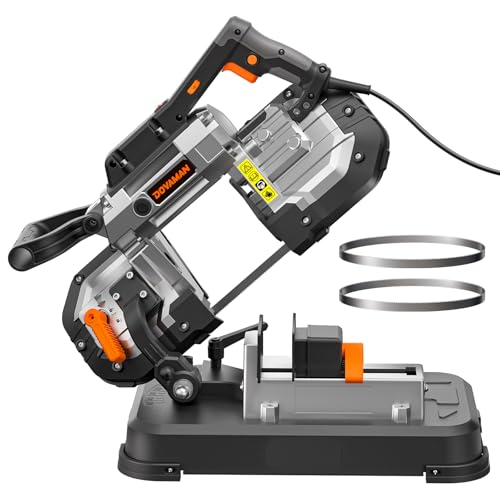
Excessive friction and inaccurate blade speed will instantly dull teeth and work-harden dense steel profiles in any fabrication shop. Standard woodcutting equipment runs far too fast for structural pipe or solid stock, which leaves rough burrs and overheats standard carbon steel bands. Investing in the best bandsaw to cut metal gives you steady low-speed control, rigid tracking guides, and the torque required to slice thick metal cleanly without creating heavy sparks. While fabricators frequently compare portable bandsaws against cold-cut metal chop saws, compact bandsaws deliver unmatched versatility for overhead conduit cuts and tight benchtop fabrication.
Based on our detailed comparison of motor ratings, frame structures, and user feedback, reliable tools balance high-torque pure copper motors with adjustable speed settings between 130 and 470 surface feet per minute. Essential additions like bi-metal M42 variable pitch blades, dual-position swiveling alloy bases, and deep-cut throat capacity up to five inches prevent motor bogging during demanding operations. Matching the correct motor amperage and blade teeth per inch to your stock ensures square edges, reduces costly material waste, and keeps your metal fabrication projects running smoothly.
| Award | Product | TGH Score About TGH ScoreThe TGH Score is our own rating from 0 to 10, based on performance, design and build, ease of use, and value. It reflects independent research and is never influenced by manufacturers, retailers, or affiliate commissions. Learn more › | |
|---|---|---|---|
| Best Overall |
DOVAMAN Portable Band Saw
|
8.8/10 | Buy |
| Best Budget |
 Imachinist S933414 M42 93" X 3/4" X 10/14tpi
|
8.4/10 | Buy |
 VEVOR Portable Band Saw, 110V Removable Alloy
|
8.4/10 | Buy | |
| Best Premium |
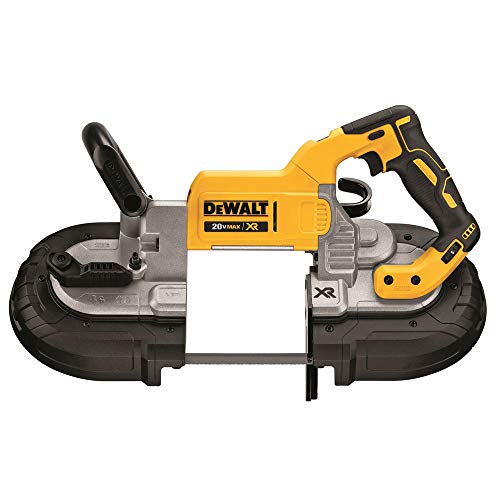 DEWALT 20V MAX Band Saw, 5" Cutting Capacity
|
7.8/10 | Buy |
Frequently Asked Questions
Can you use a standard woodworking bandsaw to cut steel?
No, standard woodworking bandsaws run at speeds between 2,000 and 3,500 surface feet per minute, which will burn up blades and damage metal. Metal cutting requires a lower speed range between 100 and 500 FPM to prevent work-hardening and excessive friction. While tools like saws for cutting planks of wood prioritize high-speed wood chip removal, cutting dense alloys requires high-torque gear reduction and durable bi-metal blades.
What teeth per inch (TPI) is best for cutting metal profiles?
A variable pitch between 10 and 14 TPI offers the most versatile performance for thin tubing, structural pipe, and angle iron. Maintaining at least three teeth in contact with the workpiece cross-section at all times prevents tooth strippage. For solid steel blocks or thick stock, a coarser pitch like 4 to 6 TPI clears metal chips efficiently without clogging the blade gullets.
Why do portable bandsaws make cleaner cuts than abrasive chop saws?
Continuous band movement generates significantly lower cutting heat than high-speed abrasive friction wheels. This continuous linear travel leaves virtually no sparks, eliminates discolored heat-affected zones, and produces clean edges with minimal burr formation. Fabricators also benefit from narrower kerf lines that waste far less raw stock during production runs.
How does motor amperage affect deep cut metal bandsaws?
A 10-amp motor delivers sustained rotational torque under heavy feed pressure without stalling or bogging down in solid metal bar. Adequate amperage prevents thermal overload when pushing through thick round stock up to five inches in diameter. Brushless and pure copper motor designs also maintain consistent blade speed across demanding cuts.
Why is variable speed essential on a metal cutting bandsaw?
Different metal compositions require distinct surface cutting speeds to ensure clean chips and prolong blade life. Harder ferrous metals like stainless steel demand lower speeds around 140 feet per minute, whereas softer non-ferrous metals like aluminum cut cleanly at higher speeds up to 470 FPM. Adjusting your speed via electronic dials keeps the blade teeth sharp and prevents excessive vibration.
About the author
Tony Flanders is an experienced astronomy writer and observer with a background in mathematics, technical research, and science communication. His extensive observing experience includes exploring deep-sky objects through different telescope configurations. He specializes in making complex astronomical concepts accessible to beginners and experienced observers alike.